
New Lenox Directory Collections
The best New Lenox city directory search starts with regional shelves. New Lenox did not have a known, continuous printed directory of its own. County books, Joliet volumes, rural route directories, and telephone books fill that gap. The Joliet Public Library Local History Room and the Joliet Area Historical Museum archive hold the most detailed runs. New Lenox Public Library adds local files, microfilm, licensed genealogy databases, and staff help.
| Collection | Years | Where Held | Access |
|---|---|---|---|
| Will County directories | 1859-60 and 1872-73 | Joliet Library and Museum | Reference collection |
| Joliet city directories | 1875-1997, plus 2002 | Joliet Library and Museum | Print or microfilm |
| Will County rural route directory | 1934 | Joliet regional collection | In-person reference |
| Telephone directories | Selected years from 1904 onward | Joliet Library and Museum | Print or microfilm |
The holdings are not one unbroken run. Early county books catch names before suburban growth, while the Polk series is strongest from the mid-twentieth century through the 1990s. The 2002 volume is a later regional item, not proof that every year from 1998 through 2001 exists. Ask staff about an exact year before making a trip.
Publisher names also help locate the right shelf item. The early collection includes work from the Joliet Republican Book and Job Printing House and Western Publishing. Polk titles dominate many later decades, though the place coverage changes. Some volumes include Rockdale, and later variants can add Crest Hill or Lockport Township. Read the title page before assuming that a book covers all of New Lenox Township.
The museum's directory holdings page introduces the collection shown below. Its image helps confirm that the archive is a real research desk, not an online name index.
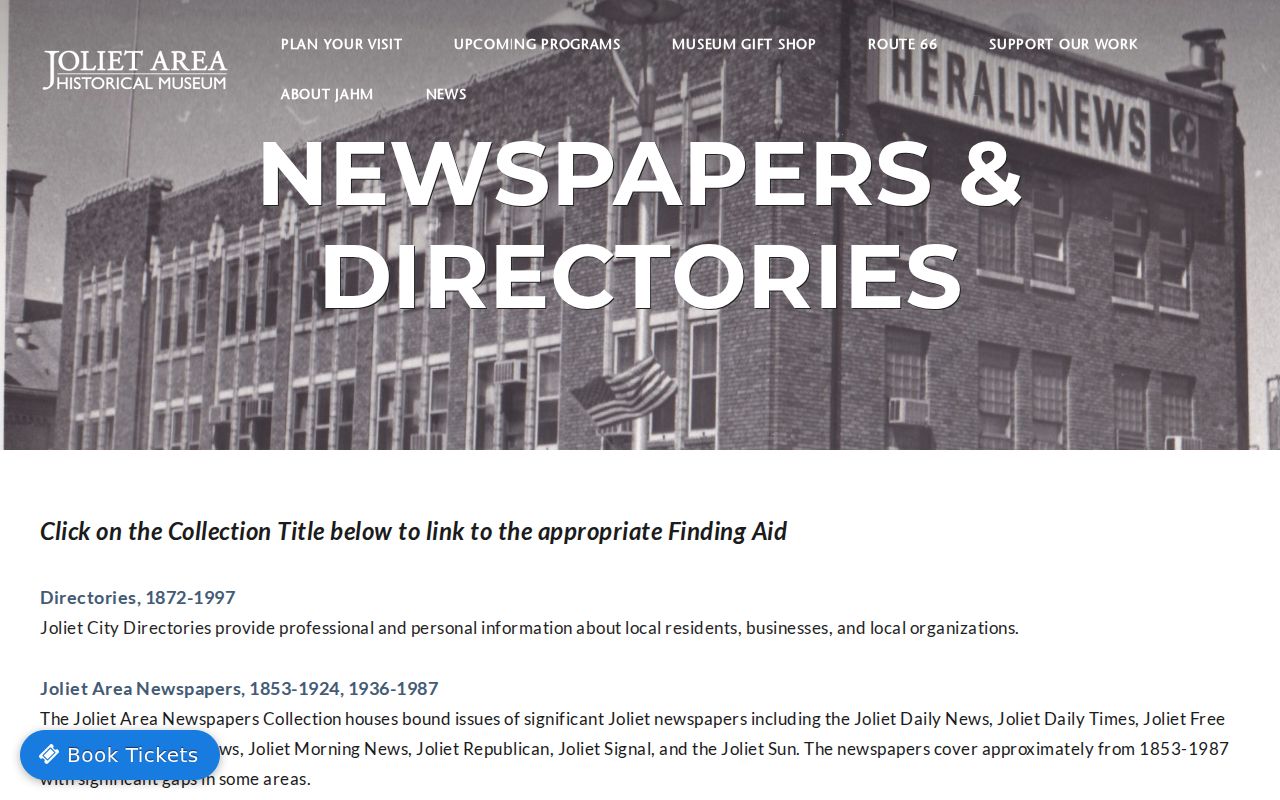
Use the linked holdings list to choose a publisher and year, then contact the curator when the needed item is not clear from the catalog.
Early New Lenox Directory Years
New Lenox families may appear under Will County before they appear under a modern city label. The 1859-60 and 1872-73 Will County directories are the first strong printed name sources in the regional collection. A 1875 Joliet directory follows, with a Western Publishing volume in 1877-78. Later Polk volumes become much more regular. The 1918 Prairie Farmer directory of farmers and breeders reaches rural Will and southern Cook County, while the 1934 Rural Route Directory helps decode farms and route addresses.
Search beyond the phrase New Lenox. Older records may use Van Horne Point, Tracy, Gougar Crossing, New Lenox Township, or a Joliet-area route. The Rock Island Railroad and Lincoln Highway also shaped how a place was described. A record filed under a rail stop or township can still concern land now inside the Village.
| 1836 | Will County was established, creating the main county record layer. |
|---|---|
| 1859-60 | The earliest directory run in the local collection lists county names and places. |
| 1875 | Joliet city directory publishing begins in the documented holdings. |
| 1934 | The rural route directory bridges farm addresses and later street forms. |
| 1946 | New Lenox incorporated, creating a distinct Village records custodian. |
Read New Lenox Directory Entries
A New Lenox city directory entry is a dated clue, not a full household record. A digitized 1960 Joliet page shows the common pattern: a household head, a spouse when the format provides one, an occupation or workplace, and a street address. Business ads and nearby surnames give added context. The source does not establish who owned the parcel, and it may omit children, boarders, or people who chose not to be listed.
| Household name | The listed head, sometimes followed by a spouse. |
|---|---|
| Work detail | An occupation and, in some entries, a workplace at that time. |
| Street address | The listed residence, which can be checked against maps and deeds. |
| Nearby names | Other entries in street or alphabetical order that help test identity. |
| Page context | Ads, headings, and keys that explain the source and abbreviations. |
View the digitized 1960 Joliet directory sample before transcribing a line.
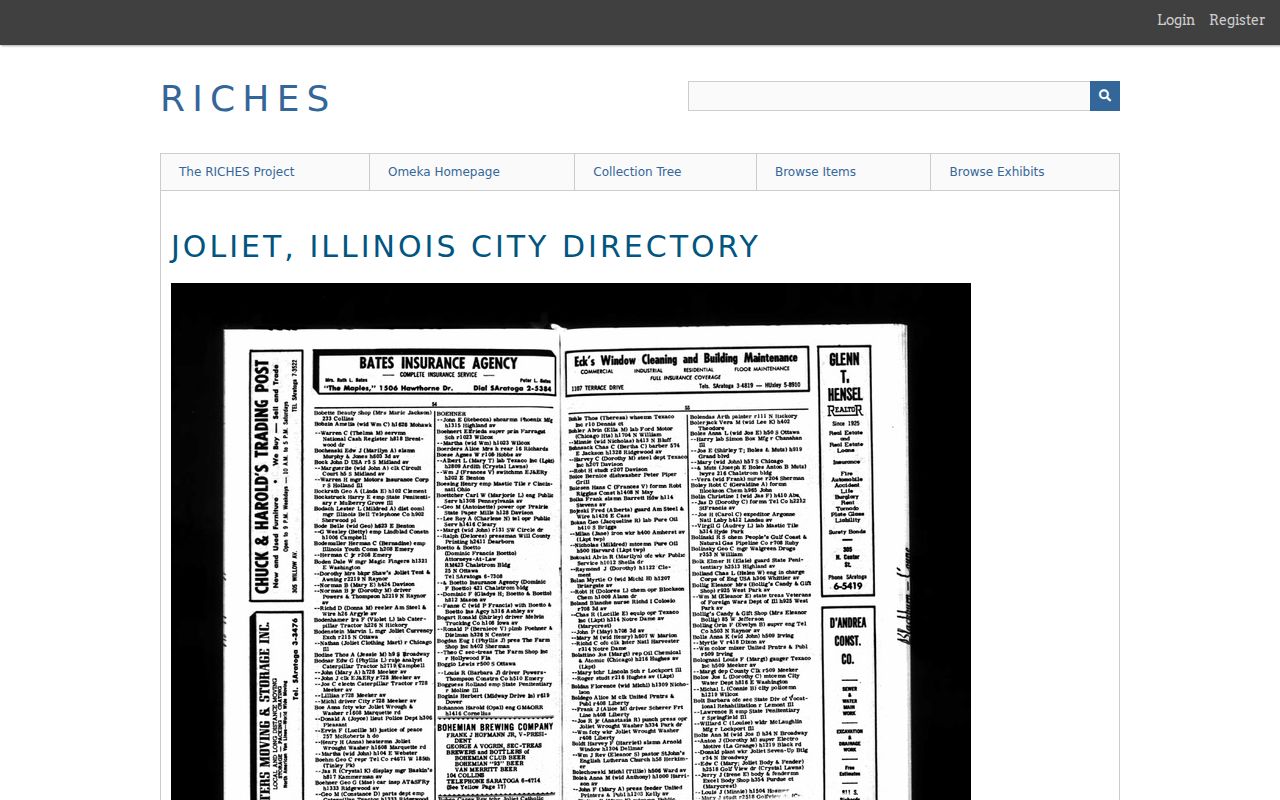
The scan shows why the whole page matters. Type style, column breaks, and the key can change how a short entry should be read.
- Criss-cross directory
- A volume or section arranged by street or phone rather than only by surname. No separate New Lenox reverse run was confirmed.
- Householder index
- A list centered on the named household representative, not every person at the address.
- Abbreviation key
- The publisher's legend for short forms. Read it before guessing what a mark means.
New Lenox Directory Research Desks
The upstairs Family and Local History area at New Lenox Public Library offers books, magazines, a vertical file, microfilm, and a research computer. Its databases widen a surname search, but staff should be asked for an item-level search because not every local file has an online index. The library can also help digitize family material through its Studio services.
The Ottawa Street Branch in Joliet is the practical directory desk. Its Local History Room lists public hours Monday through Thursday from 9 a.m. to 9 p.m., Friday and Saturday from 9 a.m. to 5 p.m., and Sunday from 1 p.m. to 5 p.m., with a summer Sunday closure. Librarian help is by appointment at 815-846-3112. Microfilm copies are free, and staff can search a newspaper for an obituary, birth, or marriage notice when given a month and year.
The Will County Historical Museum research room adds about 70,000 documents and artifacts.
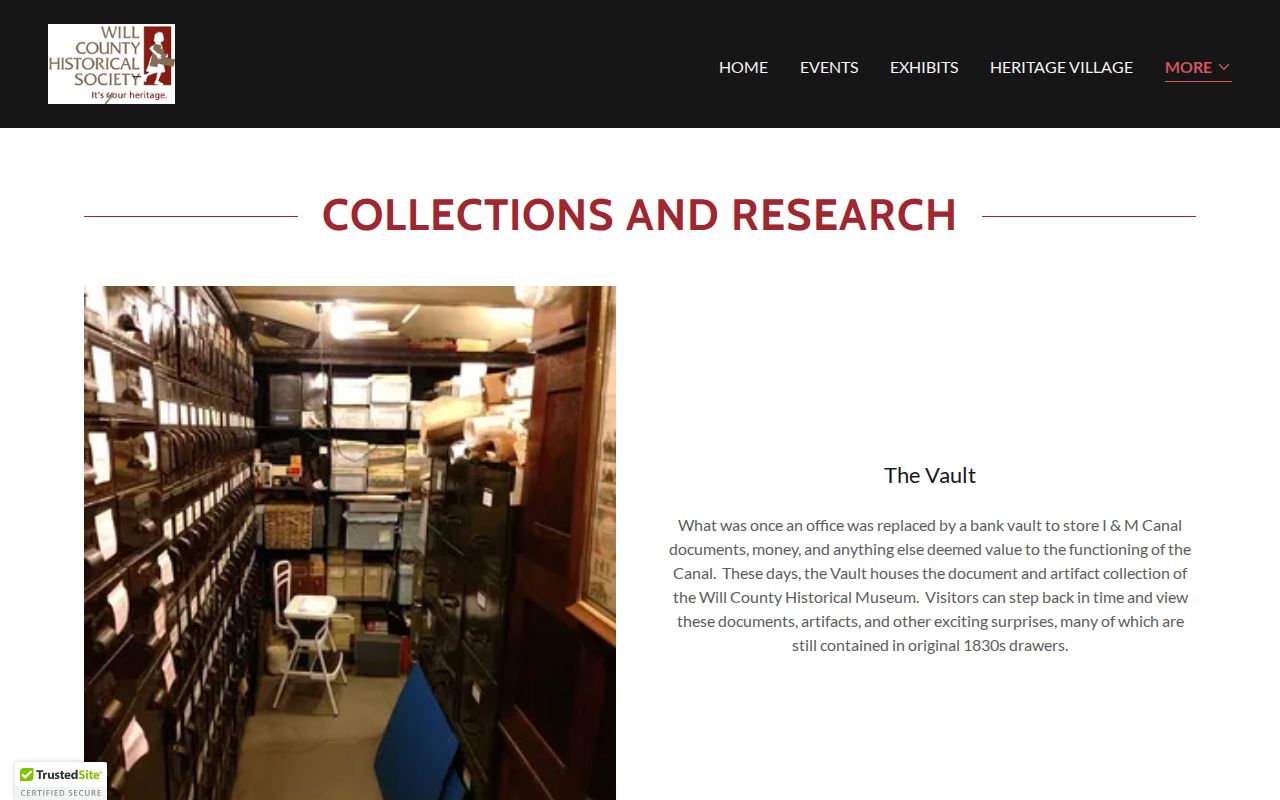
Its mortgages, plats, cemetery books, obituaries, architectural files, and research-request service can identify a New Lenox family absent from a printed run.
New Lenox Names in Print
The Lenox Time Table archive holds 46,557 digitized pages from 1910 through 2015. Search a person, place, or event, then inspect the page image and issue date. Optical character recognition, often called OCR, can misread worn type. A surname hit should be checked against the scan before it becomes part of a family tree.
The archive works well beside New Lenox city directories. A directory provides an address snapshot. The newspaper can add a marriage notice, school event, club role, obituary, or property reference. Joliet Public Library also holds newspapers on microfilm from 1846 forward, while the museum's newspaper runs cover 1853-1924 and 1936-1987 with gaps.
Yearbooks and funeral records provide another bridge. The Ottawa Street collection includes Joliet high school and Illinois university yearbooks, printed obituary indexes for 1915-18 and 1976-2012, and African-American funeral brochures for Joliet and Lockport from 1968-2012. These sources can distinguish two people with the same name through a school, relative, or service date. They should be treated as dated evidence, not current address records.
New Lenox local history also lives in the History of the Lincoln-Way Area.
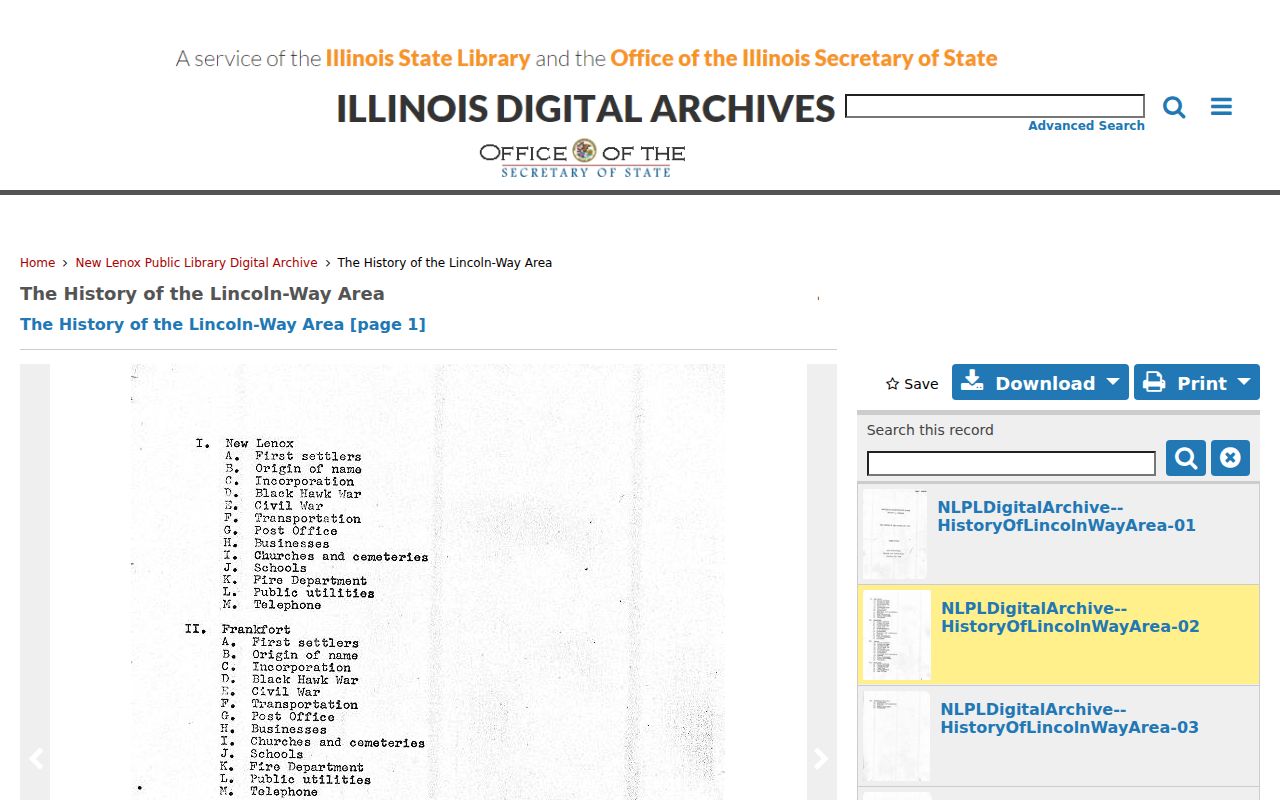
That regional account helps generate old place names, but each claim should be checked against directories, deeds, newspapers, census sheets, or IRAD records.
Trace New Lenox Directory Households
Follow one household across nearby years instead of trusting a lone match. Middle initials, spouse names, road names, and adjacent surnames are stronger together. A missing entry can mean a move, death, skipped publication, changed route, or simple omission. It does not prove what happened.
- Choose the newest city directory year close to the known event. Record the full entry and page heading.
- Check the prior and next available years. Note each address, spouse, initial, and work detail.
- Pair the 1934 rural route directory with the 1940 census, or a 1953-54 Polk volume with the 1950 census.
- Search the Lenox Time Table and obituary indexes for a dated reason behind a move or disappearance.
- Confirm land ownership through the recorder or use probate and cemetery records when the trail ends with a death.
The federal census is open through 1950 under the 72-year rule. Census geography may say New Lenox Township rather than the post-1946 Village. For modern parcel work, move to the New Lenox street directory and use the current address-keyed record chain.
New Lenox Records Before Directories
One rare source reaches behind the city directory era. The Will County Historical Museum donated an original 1845 Will County State Census to the Illinois State Archives. Few Illinois state census schedules survive. Confirm the current catalog and access route before promising a name search, then compare any name with early court, tax, probate, marriage, or township records.
IRAD's Will County depository information points researchers to Northern Illinois University. Its holdings include probate case files from 1837-1900, wills through 1905, marriage records beginning in 1836, and many court, vital, tax, school, and township groups. Phone ahead because a catalog entry does not mean the item is digitized.
Maplewood Cemetery appears to have been used in the 1850s or earlier. Marshall Cemetery appears on an 1873 township plat but not the 1862 plat. Those sources, paired with the 1872-73 directory, can place a New Lenox family before formal Village incorporation.
Access channels vary by source. Use online indexes to identify a title, call the library or archive for shelf confirmation, visit for microfilm and books, or submit a focused research request. Give staff a surname, date range, township or route, and record type. A narrow request is far more likely to reach the right volume than a request for every item about one family.